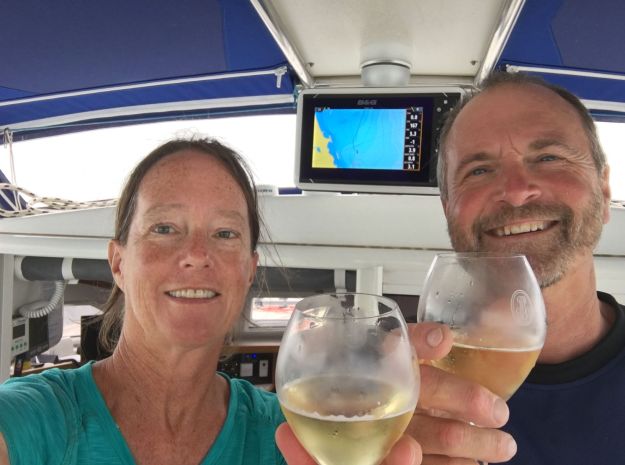
On June 3, 2018 we left Port Camargue, France and headed west toward Spain. So happy to have most of the major boat projects done and to be cruising again! With plans to be back in Alaska by early July we had a month to spend exploring, so we celebrated our first night anchored out near Cap d’Agde with a champagne toast from the bottle we won at the Outremer Cup (see Outremer Cup blog).
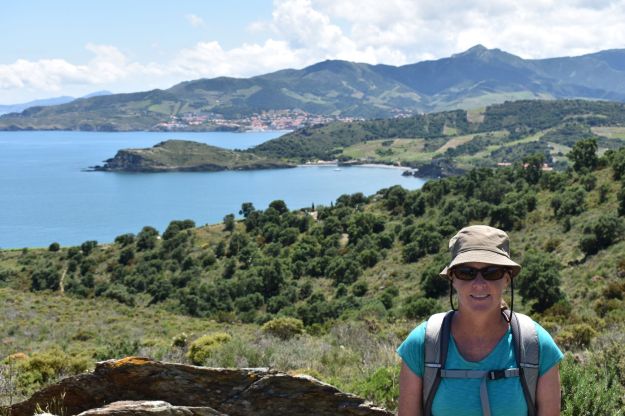
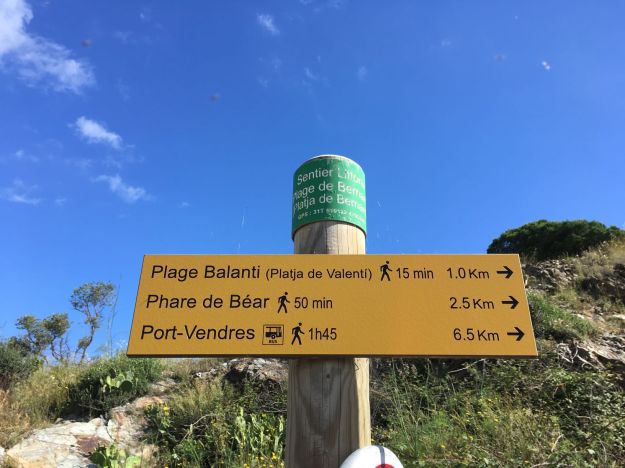
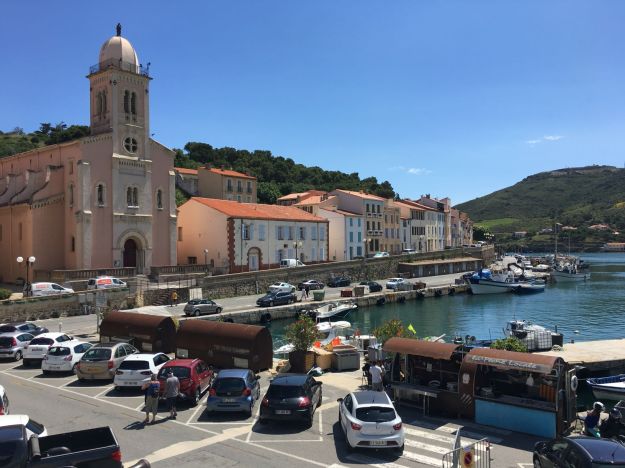
For the next few days we hopped along the French coast. The first night we visited our Canadian friends Doug and Sandy (and their beautiful Privilege yacht Sah Sen) at Canet en Roussillon, then continuing west we anchored in Anse de Paulilles between the towns of Port Vendres and Banyuls. We soon noticed swells coming in on our side to the point it was so uncomfortable we pulled anchor and relocated to a more sheltered part of the bay – much better! The next day we hiked to Port Vendres on a scenic cliffside trail with beautiful wildflowers. After a swim we dinghied into Banyuls for groceries and got back to Wally Walou just as it started to rain – perfect timing!

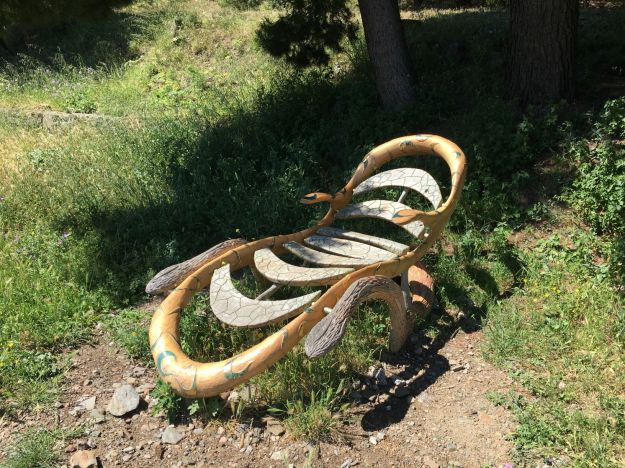
On June 7 we entered Spain. We pulled into Cala Culip, a small rocky cove recommended by Sandy and Doug for being a “geologists’ Disney Land”. And yes it was! We hiked among pegmatites – granite-like rock with large crystals that sometimes include diamonds – and incredibly folded silty shales. Late that evening there was a loud gathering at what Google Maps identified as a “Super Public Bath”, a small stone building on the beach. We never figured out what a super public bath is, but it sure sounded like folks were having a lot of fun!
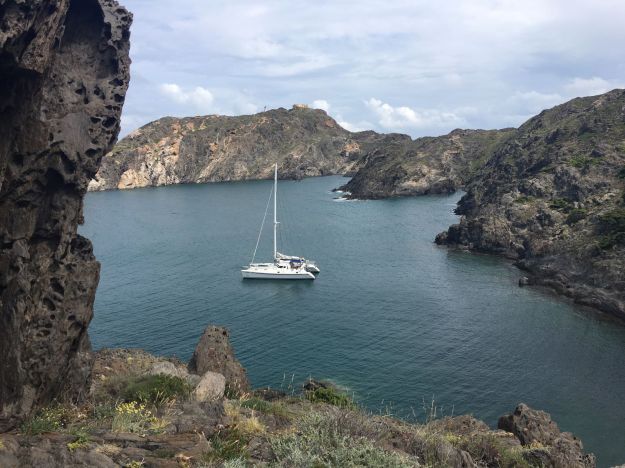
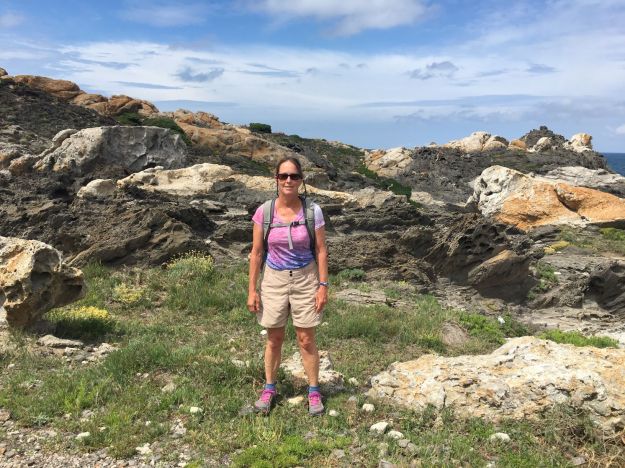


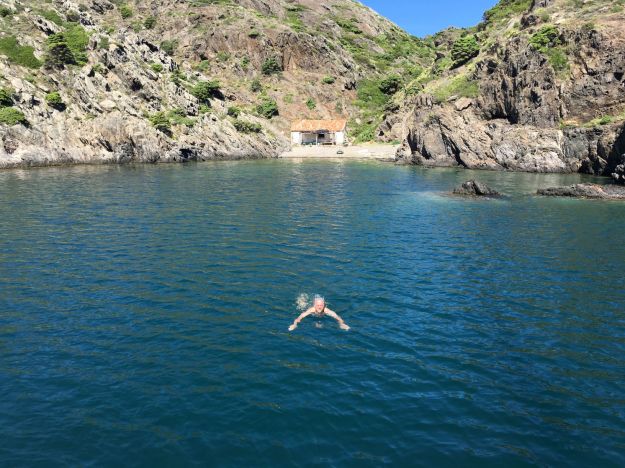
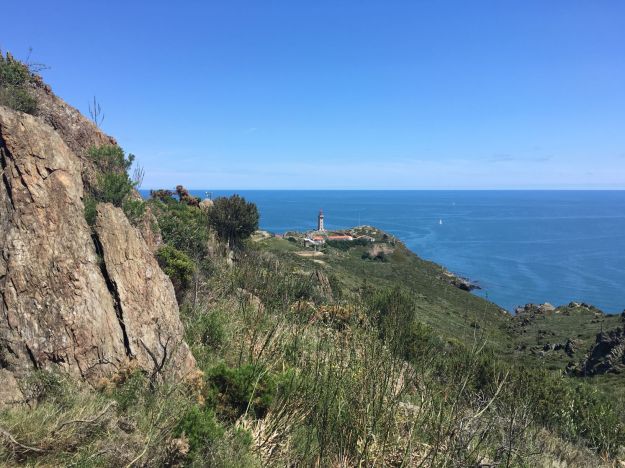
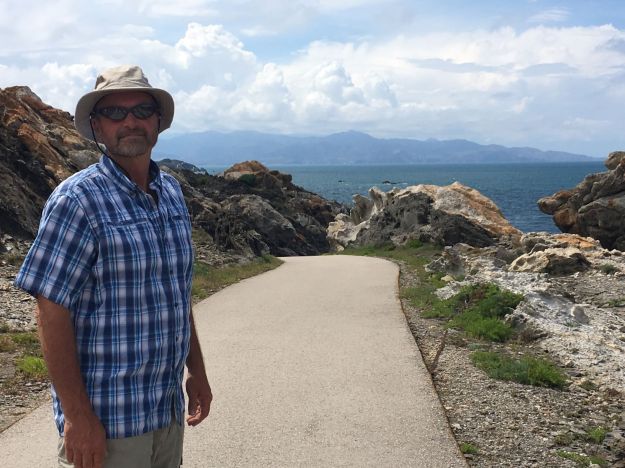
The next morning we got our SUPs out and paddled around for a while then sailed south around Cabo Creus, a point that is notorious for strong currents and winds – but luckily for us the weather was relatively calm. We anchored at Port Lligat, the home of Salvador Dali, but reservations were needed to get in to tour the home; not the last time we found out that reservations are required for major tourist sites in summer.
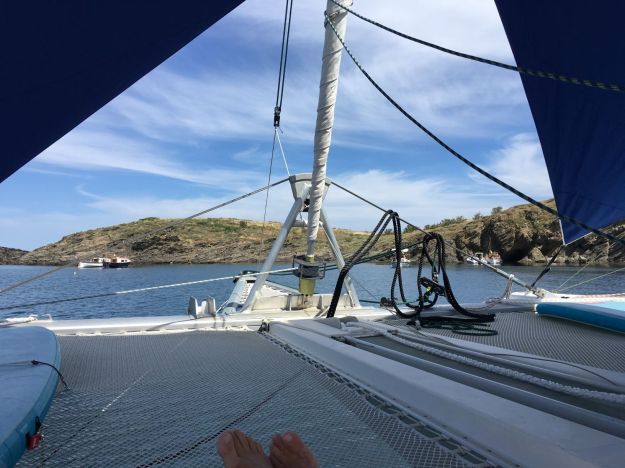 The next day we dinghied to shore and walked to the neighboring town of Cadaques for dinner and attempted to find a Spanish SIM card for our phone but no luck. We were told we could find one in Puerta de Roses just down the coast, so we set off around the corner and anchored off Roses. After 2 nights there we headed SW and ran into 30 knots of wind and big seas so we detoured to a relatively sheltered cove, Cala de se Riera, which turned out to be a nude beach! There we did a “mise a la cape”, French for heave to, which we had learned to do from our Outremer trainer Julien – yes catamarans like ours can heave to! (For the non-sailors, that is a storm tactic that involves orienting the sails and rudders so the boat essentially stops moving forward.) We relaxed awhile and after a few hours decided to continue on around the corner to the town of Palamos. As we left the cove we had 25 knots of wind on our nose but the forecast called for it to be calming and turning to be on our stern over the next few hours; but what actually happened is it changed from 25 on our nose, to less than 5, then 25 on our stern, all in about 10 minutes! It was shocking how quickly it changed, but we made it to Palamos and anchored at a sheltered location behind the harbor breakwater.
In the morning we explored Palomas which is famous for its gambas, or prawns. We had dinner at a restaurant recommended by our sailmaker Alain, who lived in Spain in his youth – yum! That evening a steel sailboat anchored right next to us and we nervously watched it as the wind picked up. It finally moved farther away before nightfall. The next morning included an interesting visit to a Fishing Museum.
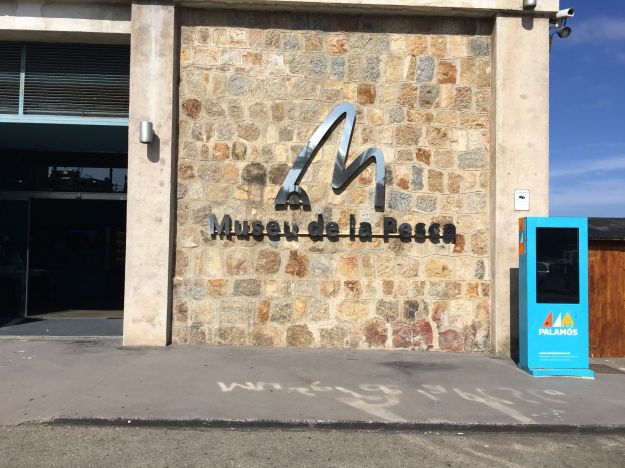
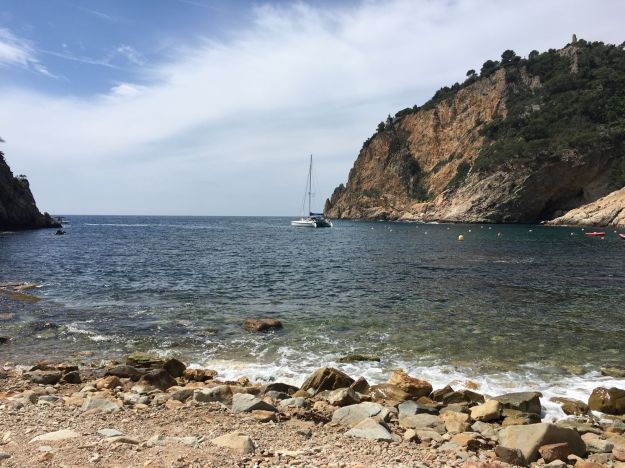
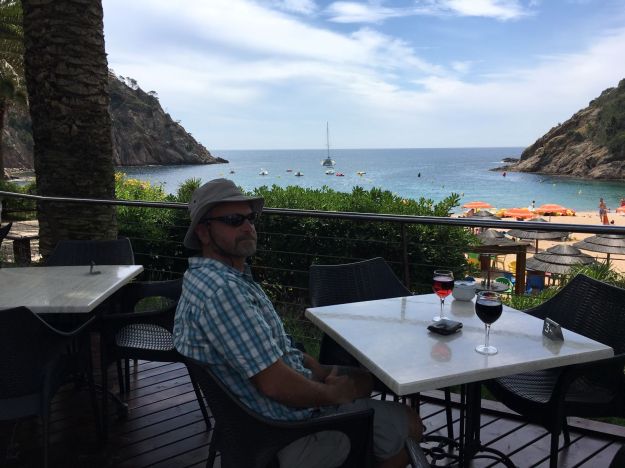
After a very Spanish lunch of tapas and Sangria we observed numerous boats anchoring next to us in the bay. Time to move on! We looked at the cruising guide and targeted a protected cove, Tossa de Mar. But when we got there it was jam packed with boats, so we backtracked and anchored in a nice rocky cove, Cala Giverola. Lots of motion with waves bouncing off the cliffs but tolerable. The next morning we went ashore and discovered most of the cove is owned by a resort. But we walked around and ate at their restaurant, and snorkeled – a nice spot.
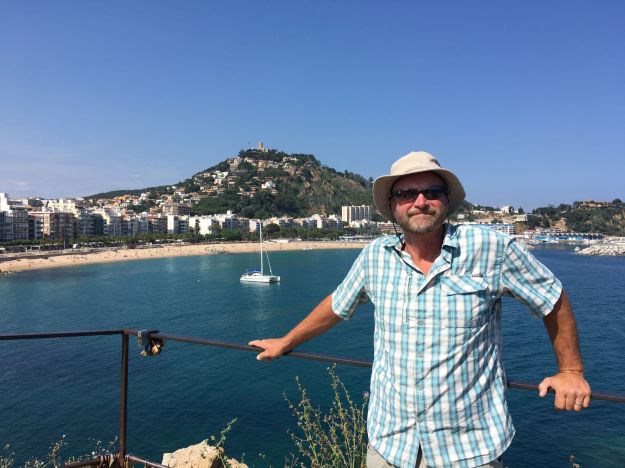
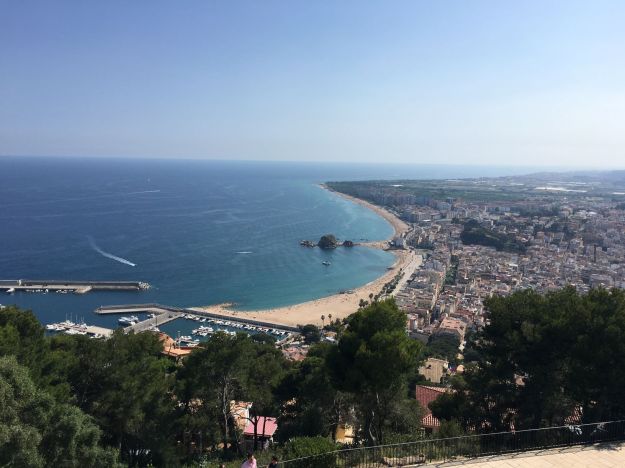
The next morning we SUPed then had a nice light wind sail south to Blanes, where we anchored just west of the harbor. Later we hiked up a rock called La Palomera, then up a big hill to Castillo de San Juan – awesome views!
On June 18 we had a nice 8-hour sail to Barcelona. We had reservations at Real Club Nautico, a yacht club in Port Vells. According to the guide books it is a private marina but we learned they would take nonmembers if they had room, so we contacted them and were able to get a slip. We weren’t sure exactly where it was and after going down a couple wrong routes and calling unsuccessfully on the radio we found it on Google Maps. There was a pedestrian swing bridge we had to go through and it wasn’t clear when it opened or who to contact to get it open. We waited and finally the bridge opened and we were in! A great location just at the bottom of La Rambla, the famous tourist street.
As this was our first time stopping at a Spanish harbor (so far we had anchored out every night) we were required to check in to the country. Fortunately the Spanish government makes it much easier on cruisers than the Italian government does (see our Italy blog). In Spain, the first time you stay in a harbor the harbor administrators take care of all the paperwork needed to check into the country. No need to make separate trips to the Coast Guard to check in and check out. Thank you Spain!
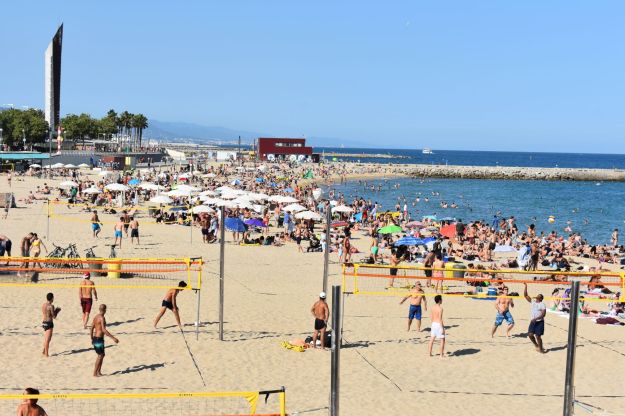
We planned on 3 days in Barcelona but ended up staying 5, waiting for favorable weather to head south to the Balearic Islands. But the stay was worth it – we both decided Barcelona is our favorite European city so far. Fascinating architecture, easy to get around, and they have worked hard to convert the old industrial section to an attractive waterfront with beautiful beaches. Many of the parking lots have been moved underground and the land above them converted to parks and trails. Well worth a visit!
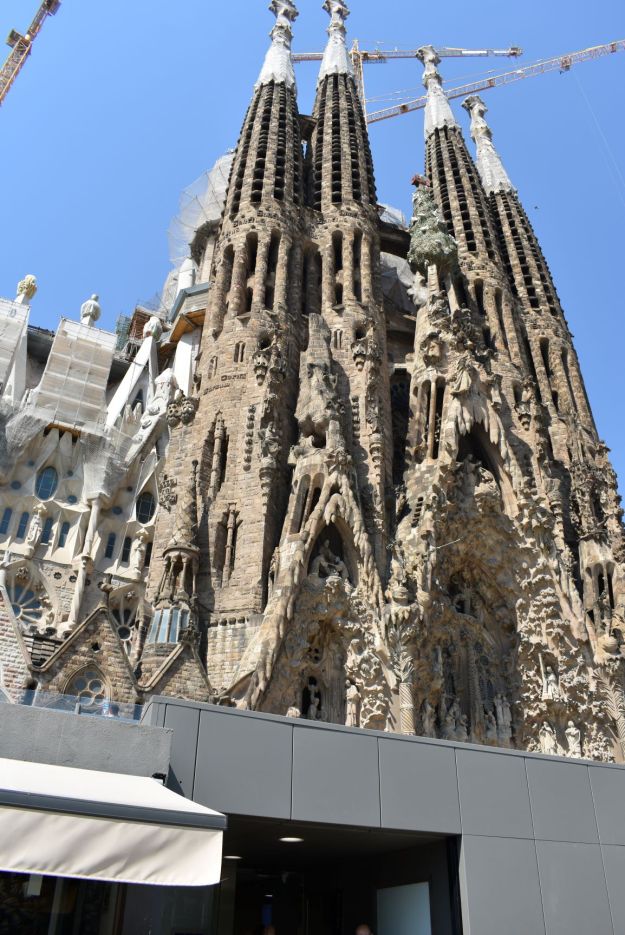
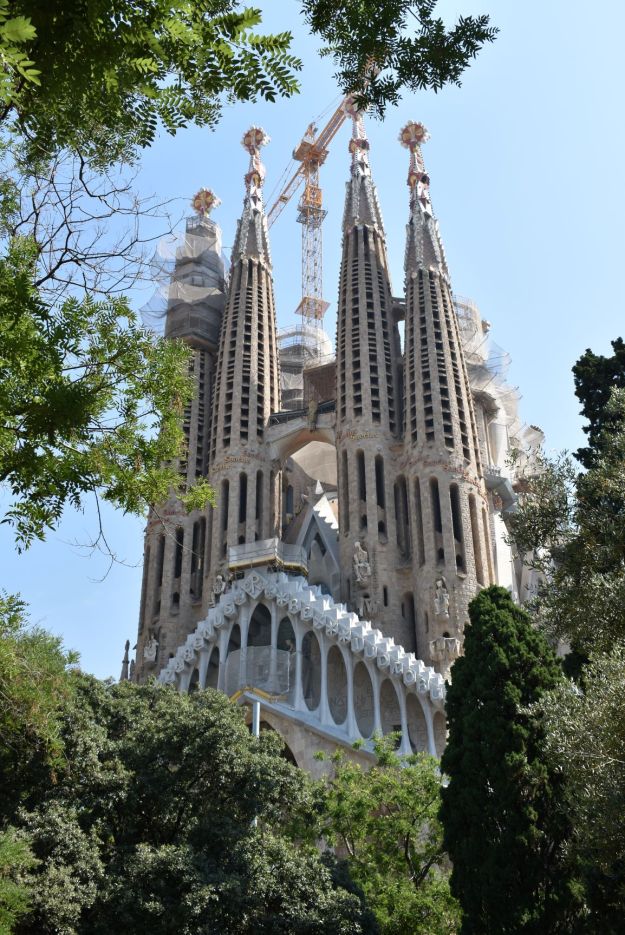
Our first morning we took a city bus tour for a reconnaissance of the city then walked along their 5 kilometers of beaches. In the next few days we saw a traditional flamenco dancing show and explored the city by foot and by bike; the city has good bike lanes on the major streets. We visited the famous church La Sagrada Familia, designed by architect Antoni Gaudi, which has been under construction since 1892 and won’t be completed until 2030. Again we found we couldn’t get in without reservations. We also visited Parc de Guell which includes another amazing Gaudi building, but we also couldn’t get in. Next time we visit we’ll make reservations first!

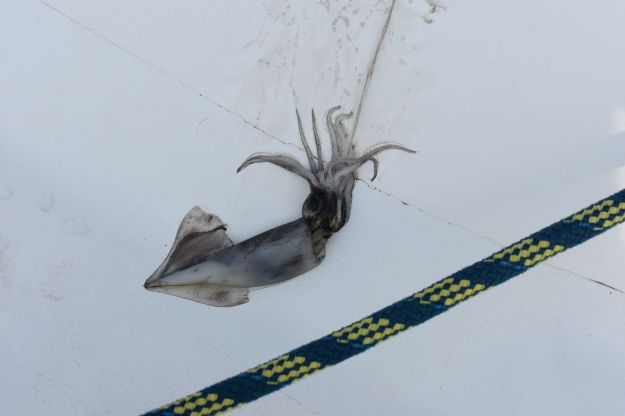
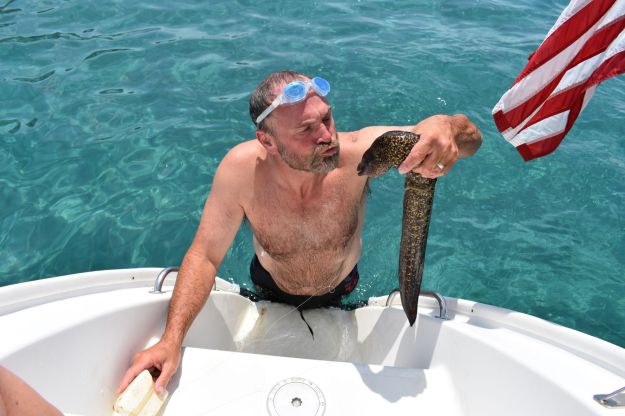
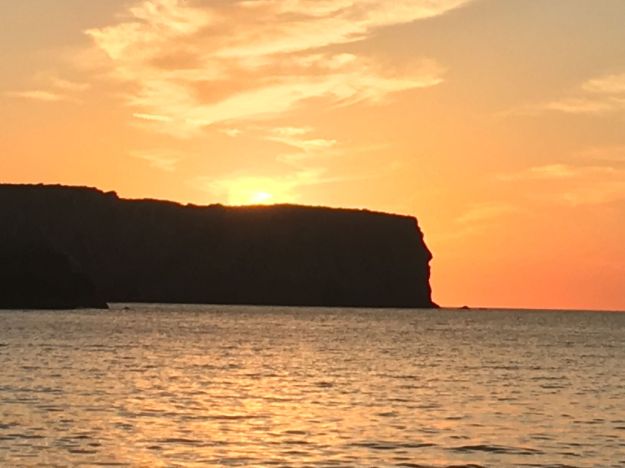
In the afternoon of June 23 we left Barcelona and headed south to Menorca, the northernmost of the Balearic Islands owned by Spain. We planned an afternoon departure so we would arrive in Menorca the next day during daylight. It was an uneventful 18 hour crossing, with dolphins on our bows, and when we came on deck the next morning there was a squid on the foredeck! Not sure if it jumped there or a bird dropped it? Upon arrival at Menorca we anchored in Cala de Algayerens, a beautiful cove. Dave swam down to check the anchor (something we have learned to love being able to do) and came back with an eel at the end of a fishing line! We briefly considered cooking it for dinner but the stench indicated it had been dead for a while, so we released it back to its watery grave. After a more palatable dinner we watched the sun set behind a cliff shaped like a silhouette of a face.
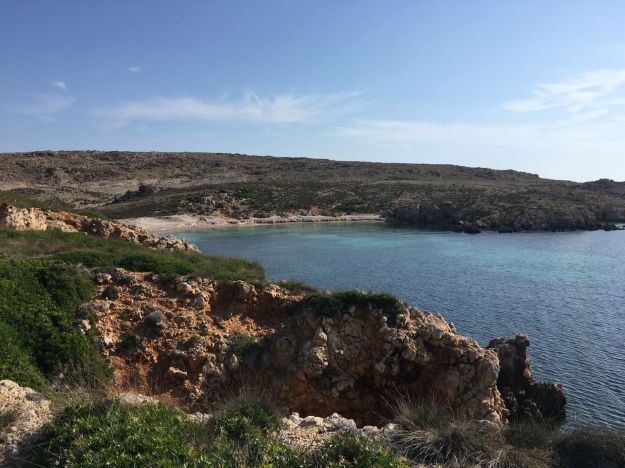
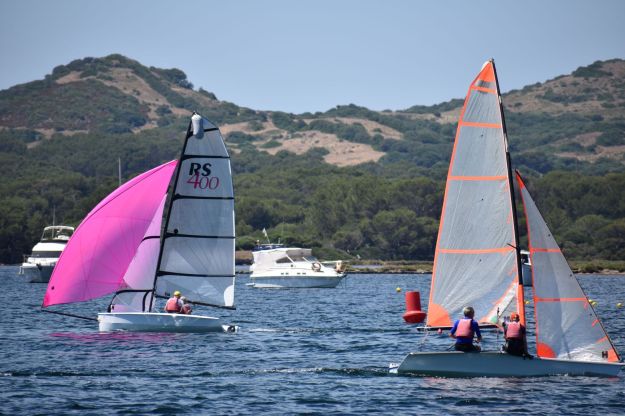
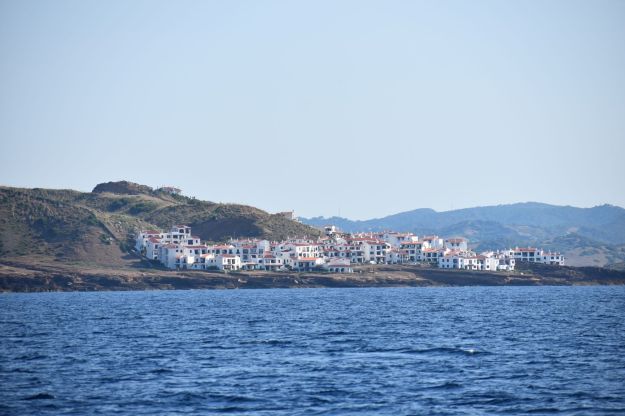
Over the next few days we explored the northern coast of Menorca with lots of snorkeling and SUPing. It is a dry and relatively undeveloped island compared to the rest of the Balearics. We visited Cala Fontanellas and Cala Fornells, which is famous for their lobster. We sampled their lobster stew for dinner; expensive but delicious! We then sailed around the corner to Cala d’en Tosqueta, a small bay with lots of boats including one that anchored right next to us. By evening most boats had left except our too-close neighbor so we tried to reposition to a more protected area behind an island but after a few attempts and not getting the anchor to hold, we went back to our previous location. Turns out our boat neighbor was a diver who goes down to 300 feet to film wrecks. His son was also with him and went spear fishing in the cove while we were there. Just one example of interesting people we have met in our travels.
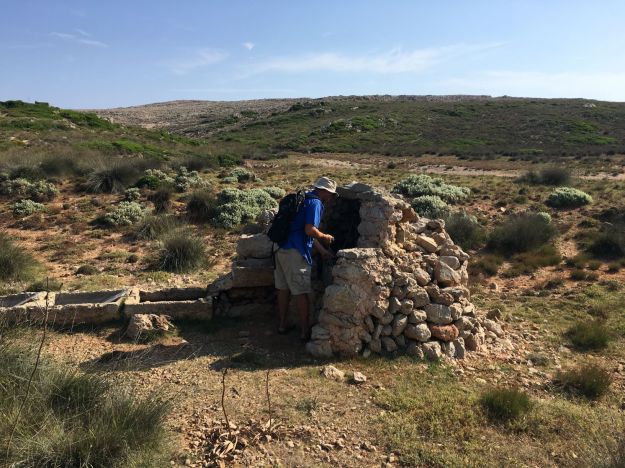
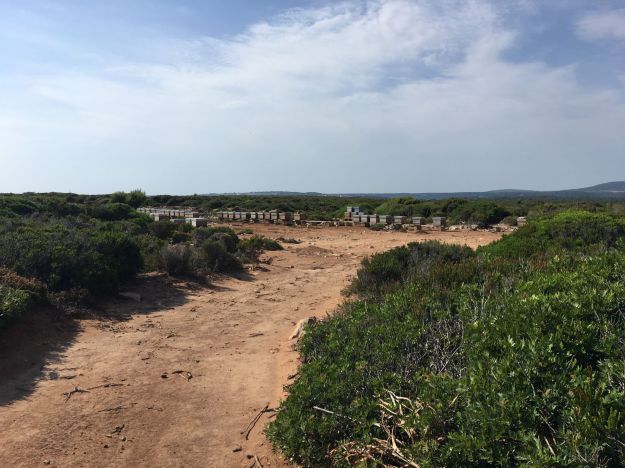
The next morning we went to shore and hiked for a few hours on a gravel track. We came upon black goats, bee boxes, and an old water well with the traditional bucket lowered down on a rope. When we got back to the boat Dave swam and checked on the anchor and discovered it was laying sideways on top of flat rock – good thing we were in a relatively sheltered location and the winds were light! (and that we have 30 meters of anchor chain to weigh us down). That afternoon we sailed to Arenal d’en Castell, a circular bay that looks idyllic on the charts; however it turned out to be a very busy place with loud music and a dance party on the beach until late at night. Slept with ear plugs!
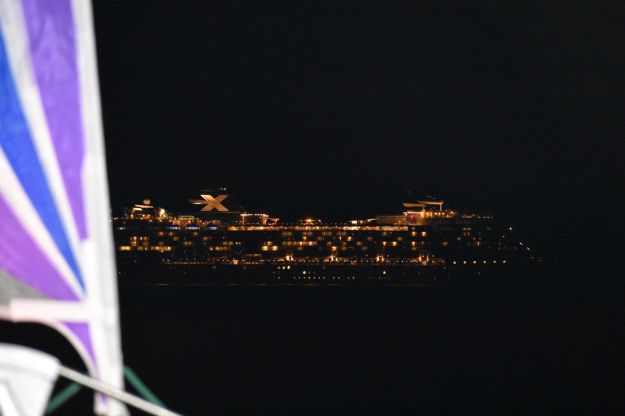
The next morning, July 29, we left Menorca at 9 am and crossed 29 hours north to our home port of Port Camargue, France, our longest crossing yet. We saw numerous dolphins playing under our bows and came close enough to 2 large ships during the night that we decided to change our course to avoid collision. Even though as a vessel under sail we had the right of way, colliding with another ship that may not be paying attention is not a desired outcome.
We arrived at Port Camargue at 4 pm on the 30th, glad to be “home” in France!
 Where's Wally?